**Bitter Before Sweet: Sadao and the Grilled Pier Fish of Khao Takiab**

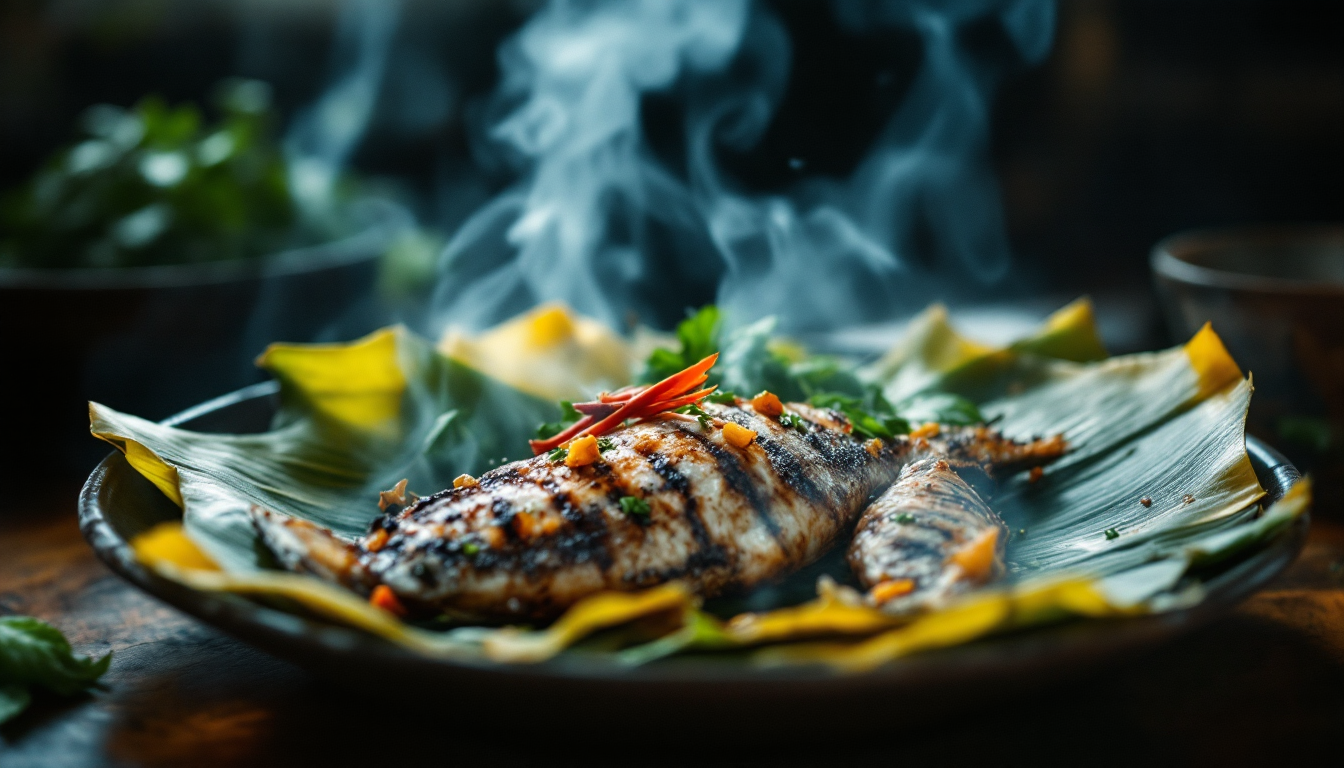
There is a dish you will find at the Khao Takiab pier early in the evening — before the tourist tables fill, when the boats are still coming in and the women with the charcoal grills are setting up along the waterfront. Grilled fish with bitter accompaniments. Not a garnish. Not a side thought. The bitter element is the point.
This is one of the things Southern Thai food understands that Central Thai cooking sometimes softens away: bitterness has a seat at the table. It cleanses. It resets the palate between richness. It tells the fat where to stop. You have the heat tolerance and the palate for it. This lesson is calibrated to both.
The Dish: ปลาเผาสะดาว — Pla Pao Sadao
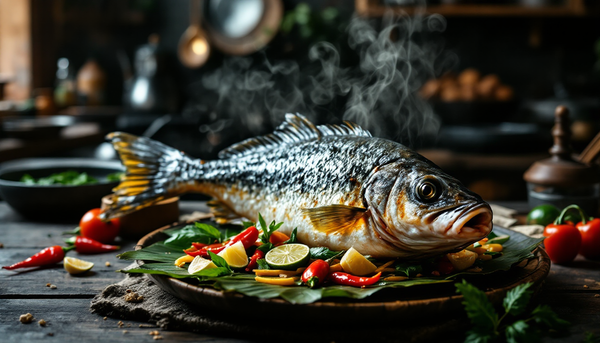
Charcoal-Grilled Fish with Sadao, Nam Pla Wan, and Sour Mango Relish
Type: Authentic Regional — Khao Takiab pier market, Gulf coast home cooking
Where You'll Find It: The women who set up grills near the pier entrance at Khao Takiab cook this in the late afternoon. The fish comes off the boats, goes onto the charcoal within hours. Sadao — the bitter leaves of the neem tree — appear alongside as a green, raw and unashamed. The nam pla wan (sweet fish sauce dip) is the counterweight. You eat them together. The interplay is the dish.
What This Lesson Covers: Bitter, sour, sweet, salt, umami, aromatic smoke, textural contrast between char and raw leaf. Six dimensions in one plate.
### The Logic First
Sadao (Azadirachta indica) — neem — is not easy. The leaves are genuinely bitter, not the pleasant bitterness of radicchio or coffee, but an assertive, medicinal bitterness that announces itself. Thai coastal cooks pair it with a nam pla wan that is almost aggressively sweet-salty, and fresh green mango or sour tamarind to cut through both. The fish provides the fat and the smoke. You need all three components simultaneously. This is architecture, not accident.
At the Khao Takiab market you'll see sadao served blanched — a quick dip in boiling water that rounds the bitterness to something more approachable. Some vendors serve it raw. Victor, you will serve it raw. You can handle it and the contrast earns it.
### Ingredients — Serves 2
For the fish: - 1 whole sea bass (กะพง — ga pong), 600–700g, scaled, gutted, scored 3 times per side - 2 stalks lemongrass, bruised and bent into the cavity - 4 kaffir lime leaves, torn and placed in the cavity - 2 tbsp fish sauce - 1 tbsp neutral oil - Coarse salt for the skin
For the sadao component: - 1 large handful fresh sadao leaves (สะดาว) — stripped from stems, washed, dried - If unavailable before you relocate: young bitter melon leaves, or blanched dandelion greens as the closest structural analog. They are not the same. They will do until you're there.
For the nam pla wan (sweet fish sauce): - 4 tbsp fish sauce (น้ำปลา) - 3 tbsp palm sugar (น้ำตาลมะพร้าว — nam tan maprao), shaved - 1 tbsp tamarind water — thick paste dissolved in warm water - 3 dried chilies, toasted dry in a pan until fragrant, crumbled - 1 tbsp shallots, very thinly sliced
For the sour mango relish: - 1 small green mango (มะม่วงเปรี้ยว — mamuang priao), peeled, julienned fine - 1 Thai chili, sliced thin - 1 tbsp lime juice - Pinch of salt - Pinch of sugar — small, just to open the mango's flavor, not to sweeten it
### Execution
The nam pla wan first — it needs time. Dissolve palm sugar in fish sauce over low heat, stirring. Do not rush this. Add tamarind water. Taste. You want sweet leading, then salt, then a bass note of sour underneath. It should be thick enough to coat the back of a spoon lightly. Add the toasted crumbled chilies and shallot. Pull it off heat. Let it sit. The shallots will soften and the flavors will marry. This sauce improves for twenty minutes off the heat.
The mango relish: Toss julienned mango with chili, lime, salt, and that whisper of sugar. Set aside. This should taste bright and aggressive — it's a palate tool, not a salad.
The fish: Score deeply enough that heat penetrates — you know how to do this. Rub the cavity with fish sauce. Stuff with lemongrass and kaffir lime. Rub the skin lightly with oil. Salt the skin with coarse salt. Let it sit while your coals come to temperature.
Charcoal is not optional here. The smoke is part of the flavor contract. Get your coals white-ashed and arrange them for indirect heat with direct sear zones. Sear the fish on direct heat for two minutes per side to set the skin and start the char. Move to indirect. Close the lid or tent with foil. Finish 12–15 minutes depending on thickness. You want the flesh to release cleanly from the bone at the spine — test with a skewer. The internal temperature you're targeting is around 60°C at the thickest point. The skin should be charred in places. This is not a flaw. This is part of what you're eating.
Plate: Fish on a long platter. Sadao leaves raw alongside in a loose pile — not arranged, just present. Nam pla wan in a small dish for dipping and pouring. Mango relish in another small dish or scattered directly over the sadao.
### How to Eat It
Take a piece of fish. Dip in nam pla wan. Take a few sadao leaves. Eat together. The bitterness hits, the sweetness from the sauce meets it, the smoke from the fish runs underneath, the sourness from the mango cuts through the fat. This is the sequence the dish was built for. After three bites your palate recalibrates. This is what bitterness does when it's used correctly — it resets you so you can taste everything again.
### Showmanship Note
The nam pla wan in a small dark ceramic dish. The sadao loose and unruly — it should look foraged, not styled. The fish plated whole, head on, skin charred. This is not a refined presentation. The beauty is in the honesty of it. Let the char show.
### Soundscape
The energy here is quieter than wok-fire but not still — there's something unhurried and coastal about this meal. You're working with charcoal and time, not speed.
เขียนไขและวานิช (Khian Khai Lae Wanit) — start with them while the coals come up. Acoustic folk, warm and unhurried, the voice of someone who knows a place well. It matches the feeling of pier cooking at dusk.
BOWKYLION — as the fish goes on. Her tone is emotionally precise without being heavy. Keeps the evening moving without rushing it.
Safeplanet — for plating and the first bites. Smooth, layered, just enough momentum. The kind of music that feels like good air.
The fish at Khao Takiab will cost you almost nothing. A whole sea bass off the pier, grilled while you wait, wrapped in newspaper if you want to walk with it. The sadao grows everywhere in the south. The nam pla wan is made fresh twice a day at every market stall that sells grilled things.
You'll eat this dish for the first time at the pier and recognize it from this lesson. That recognition is the point of everything we're doing.